
Coalition Structure
Nine Working Groups.
One Shared Mission.
How KCYPS Organises Its Work
Structured For Focused Action
As the coalition has grown, KCYPS has built structured spaces for targeted engagement, efficient operations, and member empowerment: four Pillars of reference, and nine Sector Working Groups (SWGs) that turn those pillars into focused, member-driven action. Each SWG brings coalition members together around shared themes and responsibilities, led by a representative team of member organisations.
Get Involved
The Nine Sector Working Groups
Each SWG is led by a Sector Leadership Team of seven member organisations, supported by a Steering Committee Representative. An organisation may lead only one SWG, but every member is free to join and contribute to as many as they like.
Capacity Strengthening & Leadership
Building sustainable, compliant, and impactful youth-led organisations.
View Group
Gender, Disability & Social Inclusion
Mainstreaming inclusion so no youth is left behind.
View Group
Livelihoods & Economic Empowerment
Connecting members to economic opportunity and inclusive entrepreneurship.
View Group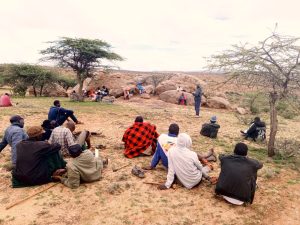
Mental Health & Psycho-Social Support
Safe spaces and support for youth facing trauma or psychological barriers.
View Group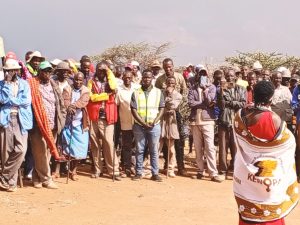
Digital Safety & Cyber Peace
Building digital literacy, online safety, and responsible tech use.
View Group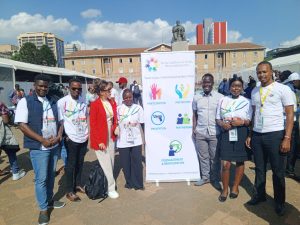
Youth in Governance & Civic Engagement
Empowering youth to participate meaningfully in democratic processes.
View Group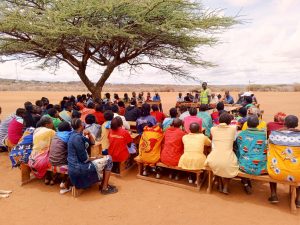
Environment & Climate Justice
Equipping youth to lead environmental protection and climate adaptation.
View Group
Conflict Prevention & Mediation
Training youth in peacebuilding, mediation, and early warning.
View Group
Monitoring, Evaluation & Learning
Tracking impact and ensuring evidence-based, accountable programming.
View GroupLeadership Structure
Who Leads Each SWG
Each SWG’s 7-organisation leadership team fills seven support roles, backed by a Steering Committee member for technical guidance and Coalition Co-Chairs for strategic oversight.
- SWG Convener & Deputy Convener
- Secretary (Documentation & Communication Lead)
- Program and Project Lead
- Resource Mobilisation and Fundraising Lead
- Monitoring, Evaluation, and Learning (MEL) Lead
- Advocacy and External Relations Lead
How SWGs Operate
General Guidelines
SWG leadership is rotational, and every sector is expected to keep a steady, documented rhythm of activity.
- Convener & Deputy Convener roles rotate every 12 months
- An organisation may lead only one SWG, but can join as many as relevant
- Each SWG meets at least once a month
- SWGs may collaborate across sectors, staying aligned to their thematic focus
- Leadership documents and shares quarterly progress and lessons learned
Ready To Join A Working Group?
Tell us which Sector Working Group fits your organisation and we’ll connect you with its Sector Leadership Team.